Best of British Summer 2015

Poem:
The Owl and the Pussycat by Edward Lear

One thing that we do a couple of times a year is what we call Best of British.  This started one day years ago when we were in a pub.  We saw that they were having a little food festival called Best of British.  But it was rather expensive.  I said, “I could make us all that for a lot less!”  So I did, and we’ve been doing it ever since.  Anyone could do it with their local cuisine, and it’s a lot of fun if you like to cook.  Here is this Summer’s menu.

menus

bob2015starterAs you can see the first one is quince-themed, and as we’ve been talking about “The Owl and the Pussycat”, we read that poem at dinner (sorry about the ham, Pig Robinson).  It’s one of the more accessible Lear poems, and has a lot of fun wordplay and evocative imagery.  It’s also very easy to memorize.

Here is a recipe for the piccalilli, which is a nice old-fashioned pickle.

Easy Piccalilli

Ingredients
1/2 Tbsp vinegar
3 Tbsp mustard powder
1 Tbsp whole grain mustard
1/2 Tbsp sugar
3 tsp garlic paste
1/3 of a zucchini (courgette), diced
1 onion, diced
1 sweet pepper, diced,
1 carrot, diced
1 cup broccoli & cauliflower, broken into florets

Method
Put the mustard, vinegar, garlic and sugar in a pan and simmer .  Add the vegetables and allow to soften only slightly.  Then take off the heat and allow to cool, stirring now and then. Store in a jar in the fridge.

Eat with quince and dance by the light of the moon!

pr5
From The Tale of Pig Robinson


The Tale of Pig Robinson: Clotted Cream Truffles

Book:
The Tale of Little Pig Robinson by Beatrix Potter
1987, F. Warne, New York NY, USA.
beach

Goodbye Summer!

We didn’t have a very hot August, which is a shame, because I find it is so much more fun to look forward to Autumn when there is a nice transition between heat and crispness.  But since it’s still reasonably warm, I thought we could fit in one more summery read.

The Tale of Little Pig Robinson is quite unusual for a Beatrix Potter book. It is quite long (123 pages), and a chapter book.  The setting is based upon her own seaside holiday in a little harbour town.  The structure is also unusual.  The story begins with a cat named Susan who goes down to the harbour to get herrings.  We learn her history, and the history of Stumpy the dog.  Susan sees a pig on the deck of a ship and wonders how he came  to be there, but the narrative follows her home.  The next passage is very evocative:

Sam ate his supper and smoked a pipe by the fire; and then he went to bed. But Susan sat a long time by the fire, considering. She considered many things—fish, and ducks, and Percy with a lame foot, and dogs that eat mutton chops, and the yellow cat on the ship, and the pig. Susan thought it strange to see a pig upon a ship called the “Pound of Candles.” The mice peeped out under the cupboard door. The cinders fell together on the hearth. Susan purred gently in her sleep and dreamed of fish and pigs. She could not understand that pig on board a ship. But I know all about him!  (p.25)

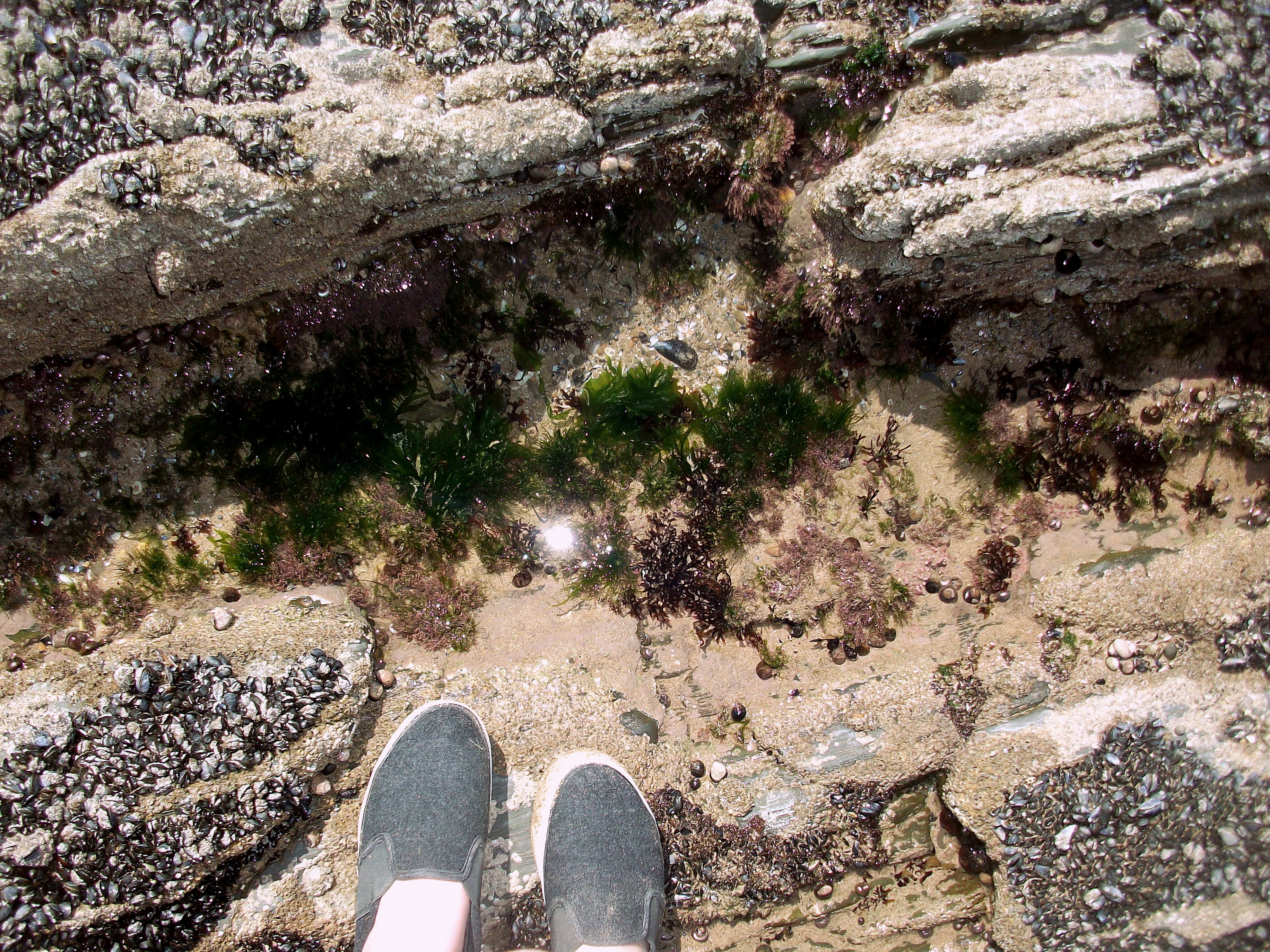
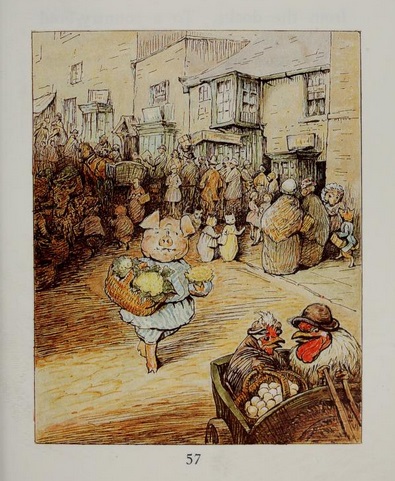
tidepoolThe narrator then explains that this story is a prequel to “The Owl & the Pussycat” by Edward Lear, which explains how the pig that they meet at the end of the poem came to be there:When that pig was little he lived in Devonshire, with his aunts, Miss Dorcas and Miss Porcas, at a farm called Piggery Porcombe. Their cosy thatched cottage was in an orchard at the top of a steep red Devonshire lane.”(p.26)  The next section of the story is a very long and detailed description of journey which the pig, whose name is Robinson, makes to market at Stymouth, and his misadventures trying to run errands there.   The details are charming in a historical context and useful to get a feel for another place and time period, however, it is so long and dense that I think it would make it a trying read for a young child…it was a little trying for me.  It might be better for 8 and up if they had an adult to help contextualize and learn about the historical vocabulary with them.

Another thing to keep in mind with Pig Robinson is that there are a few scenes and themes that could be upsetting to a sensitive child.  The text baldly states of Robinson’s aunts that their end was bacon.  The odd situation of anthropomorphic animals living independently amongst humans and yet still being eaten is a feature of many Potter books, but it is rarely so directly addressed.  Also, Robinson’s journey though town is somewhat scary, with someone yelling “Come in, fat pig!” from a pub, and him seeing a ham in a window.

The other sensitive aspect is that this is basically the story of a child being kidnapped.  Robinson’s aunts warn him to stay away from “ships’ cooks, and pantechnicons, and sausages, and shoes, and ships, and sealing-wax” (p.33) but in town Robinson is offered snuff by a strange sailor.  Apparently Robinson’s one fault was that he could not say no, so instead of saying ‘no thank you’ and going straight away, he ends up being lured onto the ship by the sailor (who, as it transpires, is a ship’s cook!), and which point it sails off.  There is a rather sinister scene of various people who might have recognised Robinson and saved him being distracted by other things and not noticing.  On the other hand, it would be a good opportunity to have a discussion about safety, the importance of being able to say no, and what to do when we first start going places on our own.
pr3

However, the story is not so dark that Robinson is mistreated on the ship, thankfully.  He is treated well and fed a lot (we can guess where this is going, but Robinson doesn’t, even though the ship’s cat tries to warn him). The cat itself is the one from “The Owl and the Pussycat”, who is upset on being separated from the owl.

Eventually Robinson overhears that he is meant for the Captain’s birthday dinner — as the main course!  At this point the cat helps him to escape in a boat.  It is a shame that the adventure only really gets going right before the end, but this section is quite exciting and also well-written, as the author describes the tropical seas with their phosphorescence, and the moon like a silver plate.

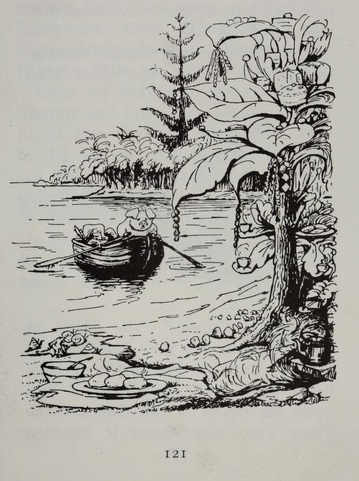
When Robinson gets to the island, he finds a rather fantastical scene.
pr4

Acid drops and sweets grew upon the trees. Yams, which are a sort of sweet potato, abounded ready cooked. The bread-fruit tree grew iced cakes and muffins, ready baked; so no pig need sigh for porridge. Overhead towered the Bong tree. (p.120)
truffs3

According to the narrator the island is very like the one in Robinson Crusoe, only without its drawbacks.  The Owl and the Pussycat visit it (for their wedding, as described in the original poem) and later Robinson is visited by some dogs from Stymouth who find him disinclined to return.  So there is a happy ending.
buoy

As you can see this is a pretty strange book.  You can check it out here, if you’d like to see for yourself.  However I would still recommend a look, particularly for older children who might enjoy searching for the various references to other works.  There are a couple of references to the nursery rhyme about this little piggy (one goes to market, two stay home…although there is no reference to roast beef), and Robinson himself goes “Wee! Wee! Wee!” all the time.  Obviously it is a prequel to “The Owl and the Pussycat” which also ties in Robinson Crusoe (Robinson refers to himself as “Pig Robinson Crusoe” at one point, so possibly Robinson Crusoe the book already exists in this universe).  Finally, there are a couple of mentions of shoes, ships, sealing wax, etc., in what must be a reference to “The Walrus and the Carpenter.”  It’s amusing to think of this story as some kind of unified theory of pigs/desert islands/ships.

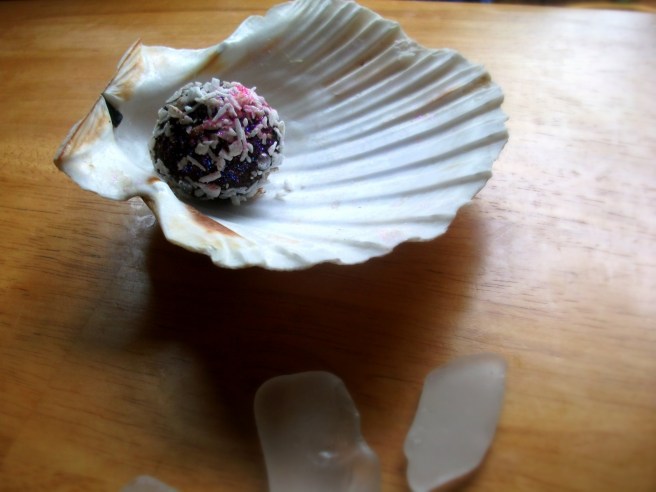
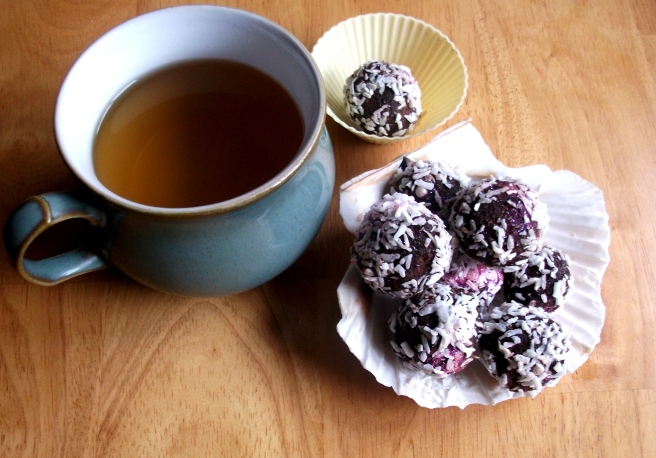
Pig Robinson was quite a greedy pig, and he really liked sweets, so I thought I would make truffles (although chocolate truffles probably are not good for pigs).  I found this recipe, and adapted it a little to make it more fantastical.  It suits the playful nature of the story.

ganache1
Clotted Cream Truffles

Ingredients
1 1/2 cups clotted cream
1 1/3 cup dark chocolate (70% cocoa solids), crushed into smallish pieces
1/2 cup shredded (desiccated)  coconut
ganache

Method
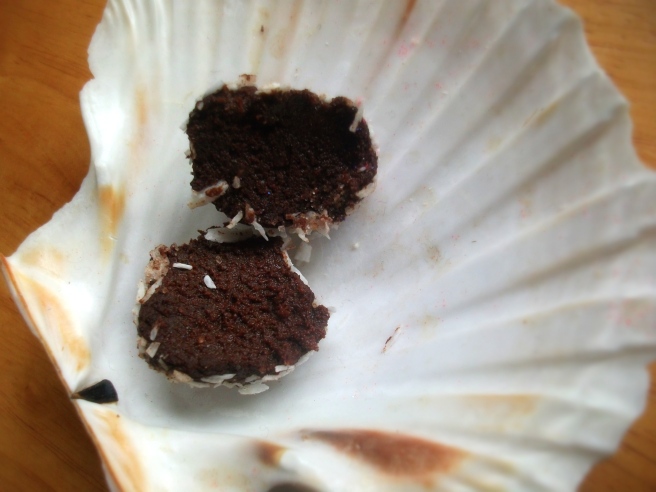
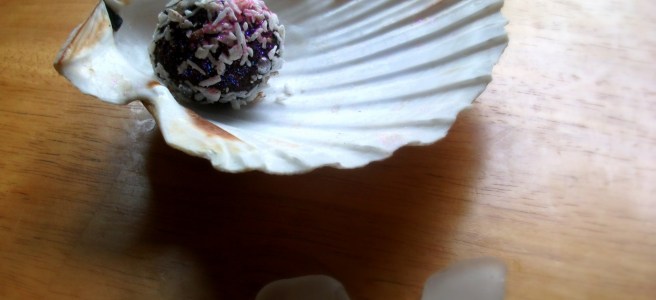
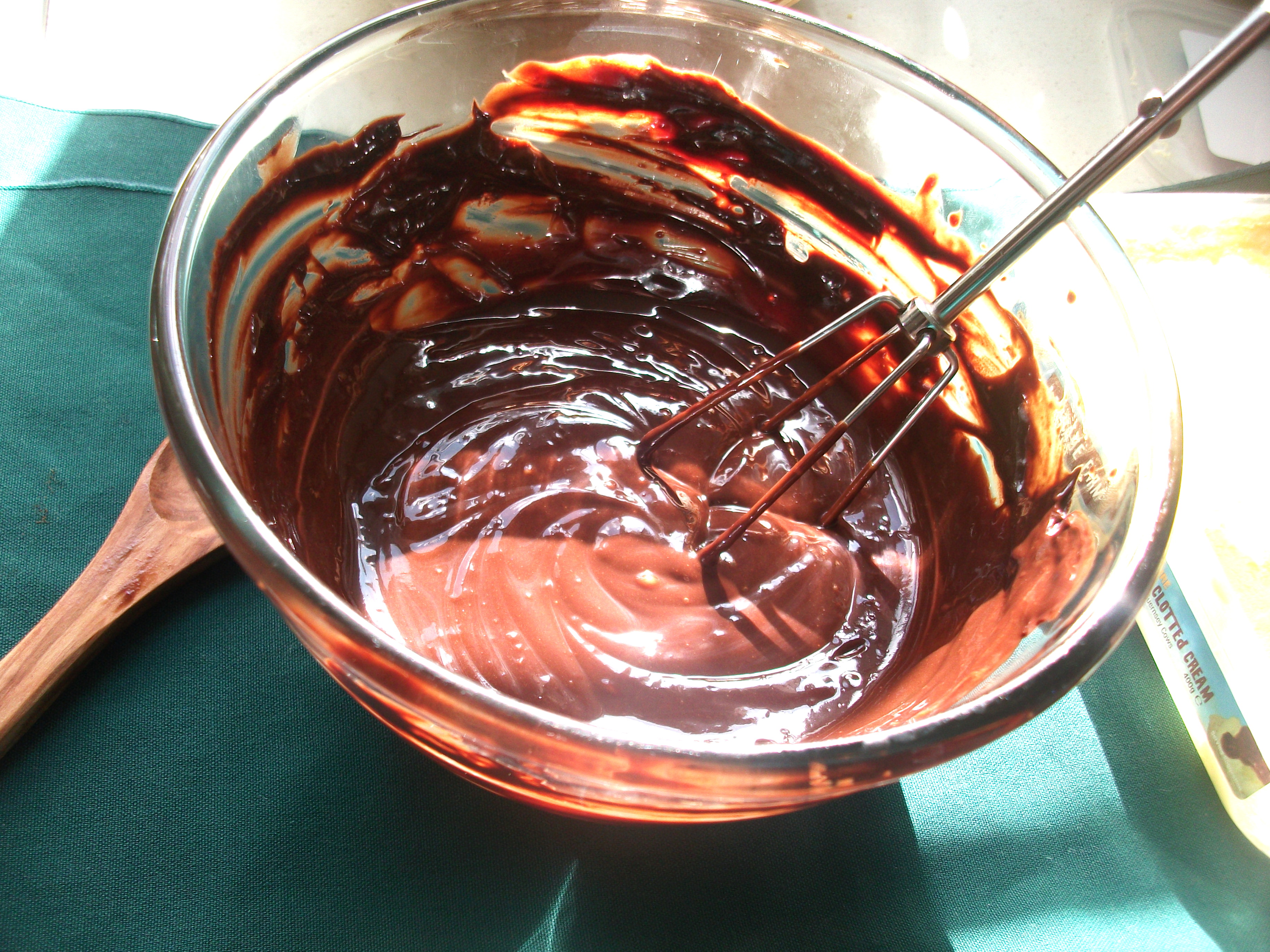
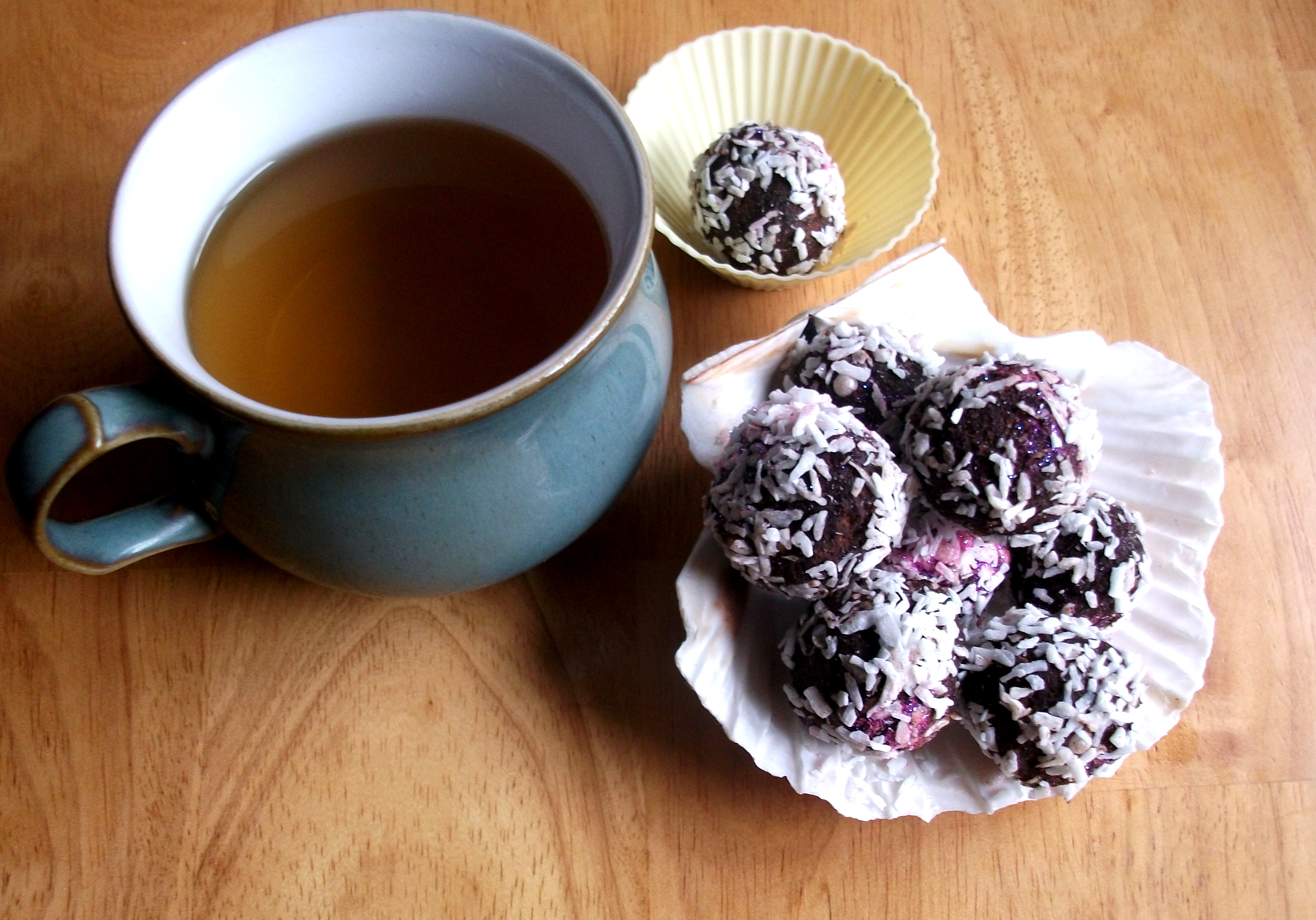
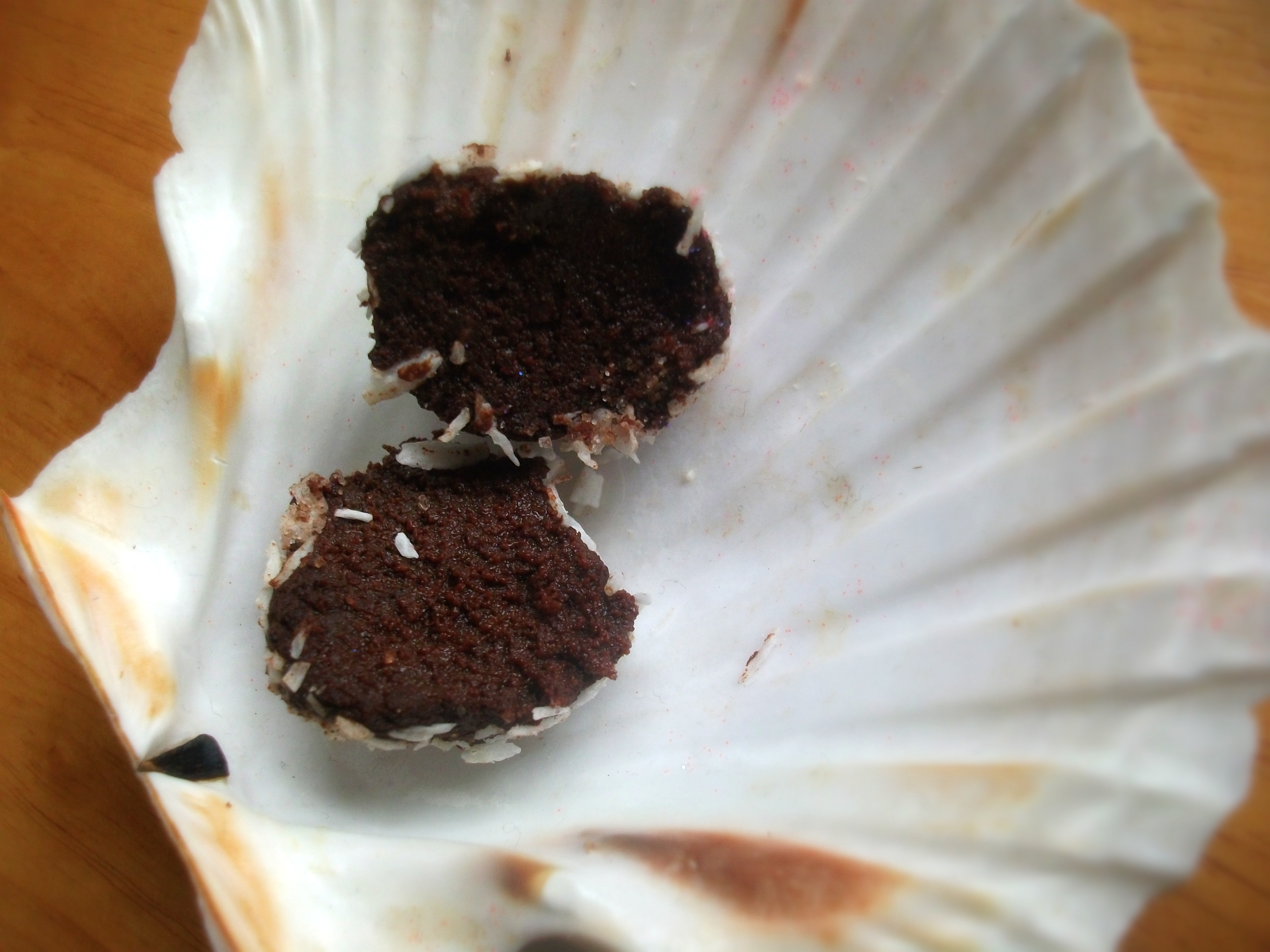
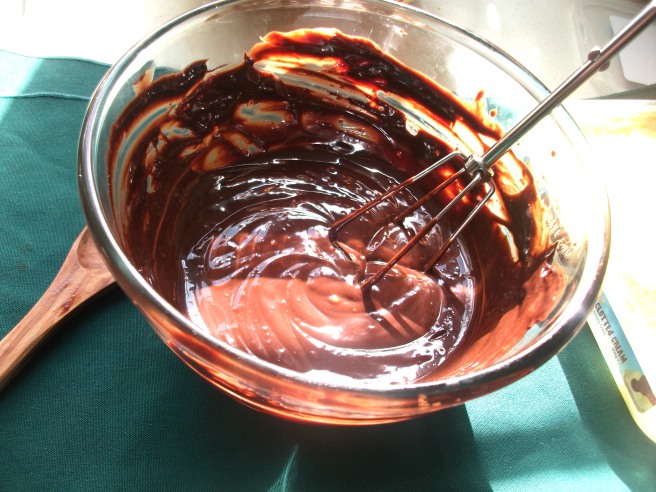
Melt the chocolate slowly in a bain marie or microwave.  I put it in a Pyrex bowl and put the bowl in a pan of simmering water.  Stir the clotted cream into the chocolate and chill in the fridge for at least 3 hours.  Then take out tablespoonfuls of the ganache and roll into balls, then roll them in the coconut.  You could use cocoa powder, powdered (icing) sugar or any other topping of choice instead.  I also put on some pink edible glitter powder to evoke the colourful  setting of Robinson’s island.  Chill again for another 3 hours.
truffs1truffs2
Enjoy with the last of the warm weather!



1 is One: Lemon Curd

Book:
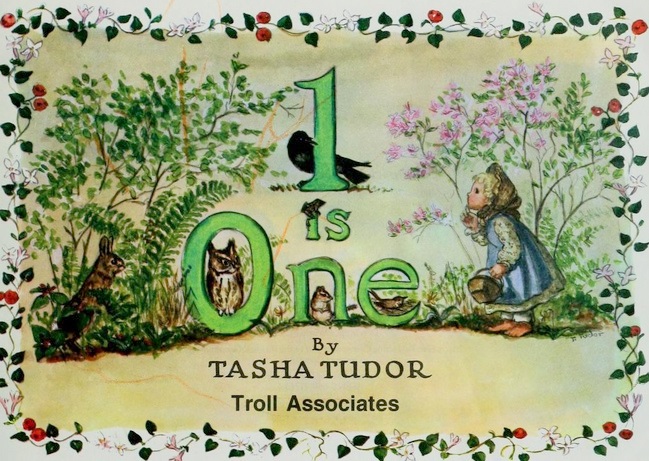
1 is One by Tasha Tudor
1986, Aladdin Books, New York.
1isone1
Last Friday (August 28th) would have been Tasha Tudor’s 100th birthday, so I thought we’d have a cream tea on the weekend and read some of her books.
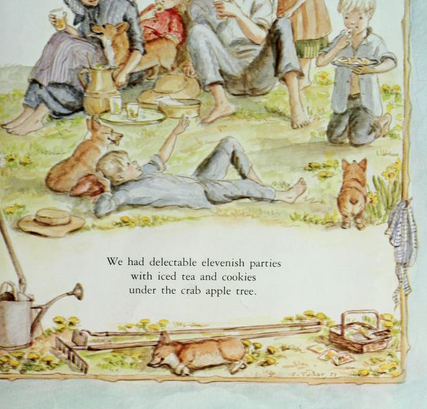
Tasha and her family were very much into having iced tea in the garden.


But we need some reading material.  1 is One is a little rhyming counting book.  It would be great for very young children, and useful for learning how to count 1 -20.


Adults and children alike can appreciate the beautiful and detailed illustrations, in both color and black and white.  The subjects of the pictures are simple and relatable.
1isone5


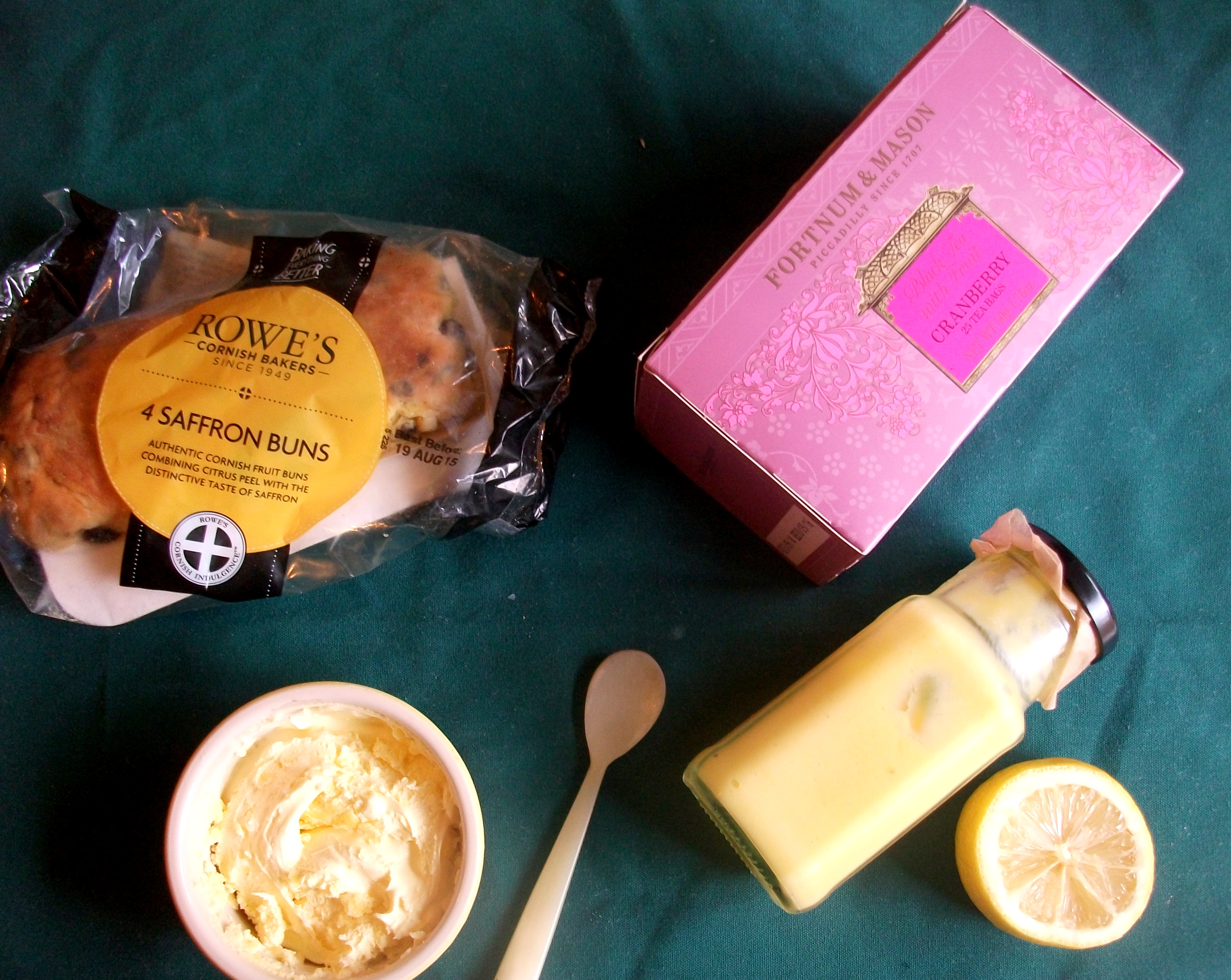
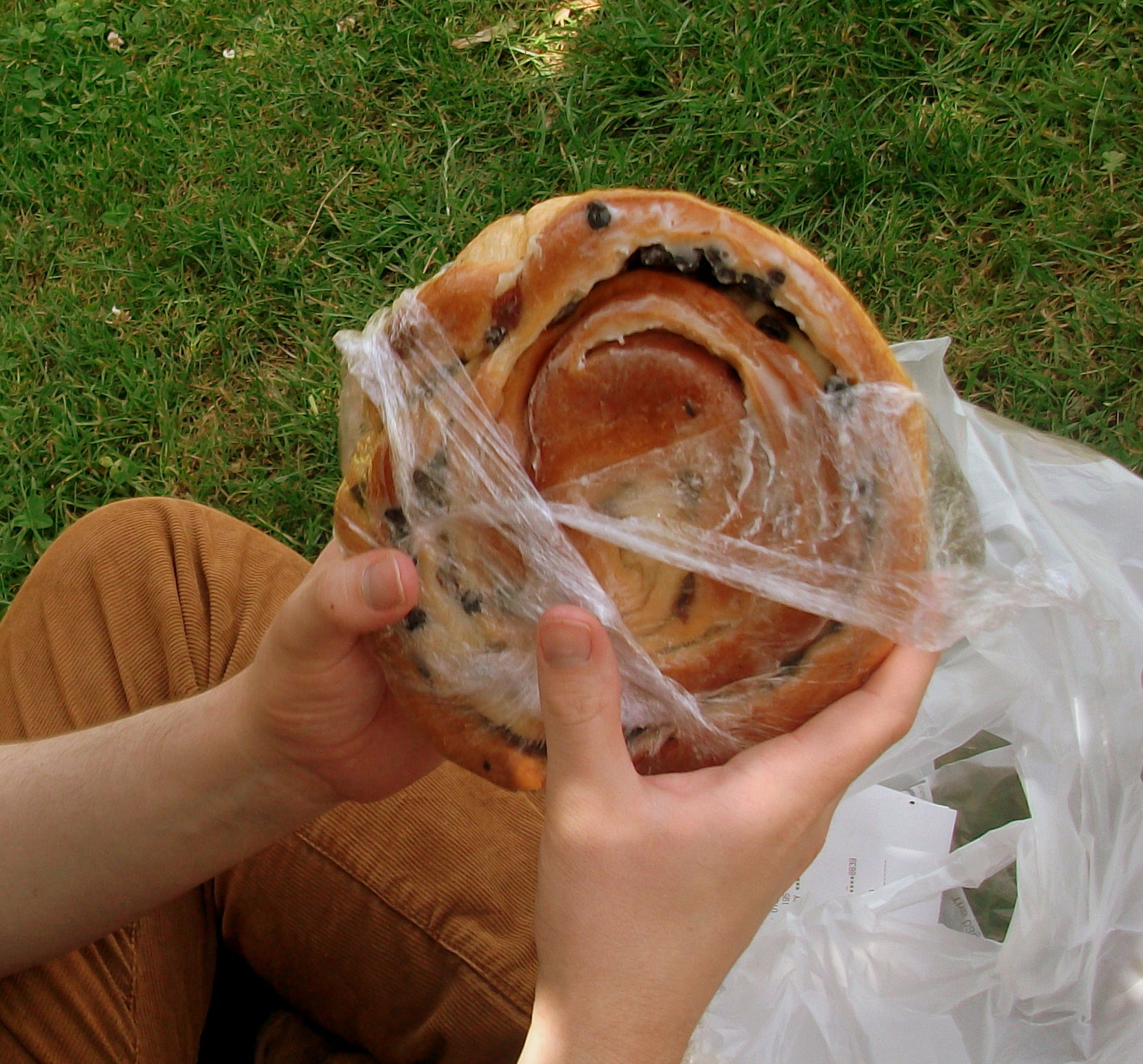
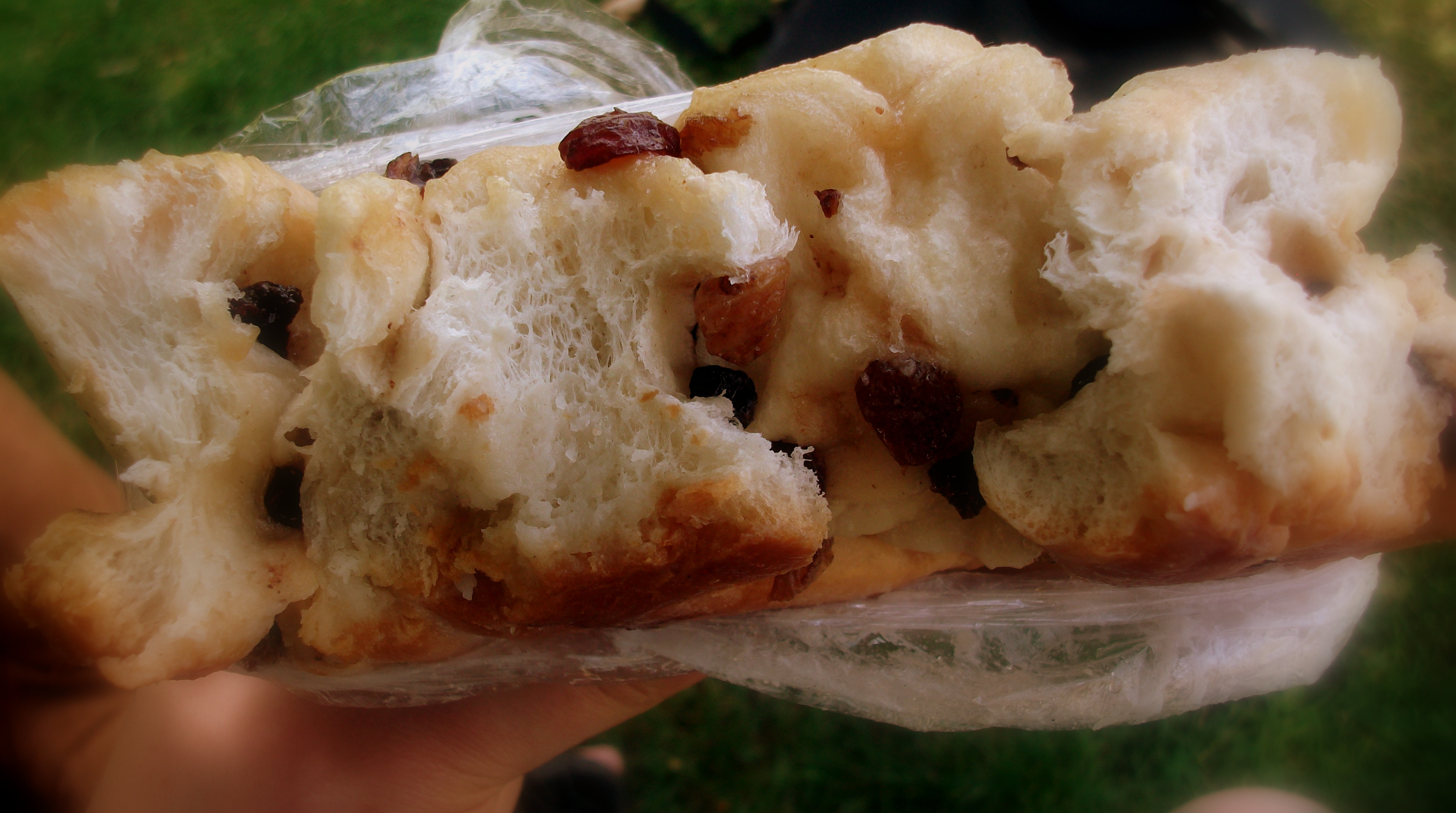
For our Tasha Tudor tea, we had iced tea, saffron buns, clotted cream and lemon curd.  I made a fancied-up version of iced tea to go with the occasion.
icedteaingredients
Iced Tea

Ingredients
2 fruity black teabags or loose tea in a tea ball
1 lemon
2 Tbsp honey or sweetener of choice
4 fresh mint leaves

Method
Add hot water to teabags.  Let steep for 5 minutes, then add sweetener to taste (you could use sugar, honey, or stevia.).  Cut the lemon into slices, and add the slices and a squeeze of lemon juice, as well as the mint leaves. Pour into a large jug, adding cold water to fill, and leave in the fridge for at least 4 hours.

icedteaingredients2

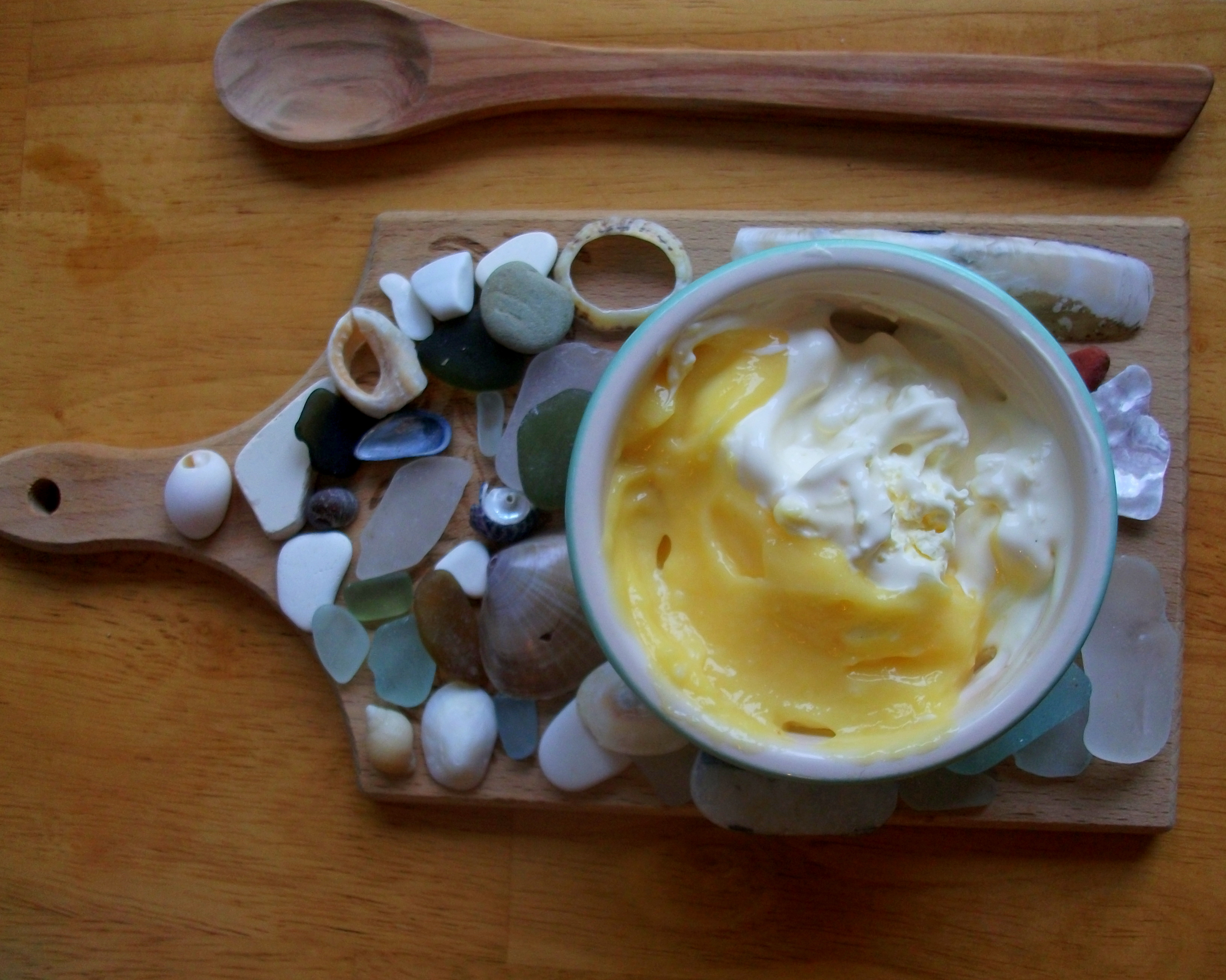
For the lemon curd I used this recipe, but roughly halved it.  I’m the only one in my house who eats dairy so it often makes sense not to make too much!

Lemon Curd

Ingredients
1 egg
1 egg yolk
2.5 Tblsp lemon juice
2 Tblsp butter
⅓ cup sugar
1 tsp lemon zest

lcurdmix
Method
Whisk together all the ingredients in a metal or glass bowl.  Place the bowl over the top of a pot or pan of water and bring to a simmer, whisking frequently to prevent curdling.  It may take about ten minutes.  Eventually the mixture will thicken enough to coat the back of a spoon. Add the butter and whisk well.  Transfer to a clean jar and store in the fridge.
lcurd3
Assemble your tea and eat in the garden (under a crab apple tree if you have one).  Hopefully it will be a delectable elevenish party!

Also read: A Time to Keep.

1isone6

Two in a Tent: Clotted Cream

Book:
Two in a Tent by Molly Brett
1969, The Medici Society Ltd., London.

book & picnic
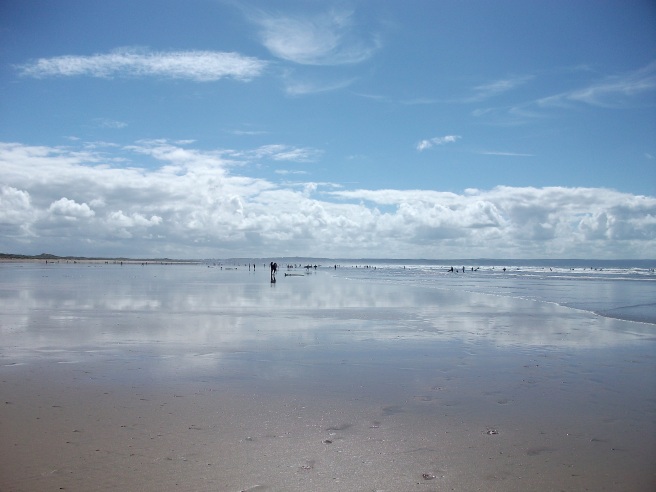
I’ve been away for a while, partly due to busyness, but also because we went on holiday!  We rented a car and drove down to North Devon, where we stayed in a tent.  When it came to what book to bring, Enid Blyton was a little too obvious, so I brought along Two in a Tent.

two in a tent in a tent
Two in a Tent in a tent!

beach1
Two in a Tent  would be suitable for children of all ages.  It tells the story of Susan, who goes to visit her cousin David in the country.  They are allowed to sleep in a tent in the orchard by his house, they encounter lots of animals (which Susan invariably either misidentifies or is afraid of), and they even have an adventure when the orchard floods.

My copy evidently once belonged to a small child with an orange crayon.

beach4

Susan and David learn a lot about the animals they encounter.  The text includes a lot of information, so that it could be very useful in a unit about animals, biology, ecosystems, the countryside, etc.  It was published in 1969, so some of the information is not correct (don’t give hedgehogs milk!  And don’t take in baby deer!), but much of it is still factual, and the illustrations are extremely accurate.  Molly Brett’s artwork manages to be sweet, whimsical and yet almost scientific.  On the back cover of my edition, there is a guide to some of the birds and flowers in the book, if you have not identified them already.

two in a tent2

We two in a tent did some of the things David and Susan did (although we spent most of our time at the beach).  We didn’t make our own fire, but we did cook sausages.

We didn’t go on a “midnight march” (although we meant to), and I for one really enjoyed the “hot baths and supper” we had when we came home!

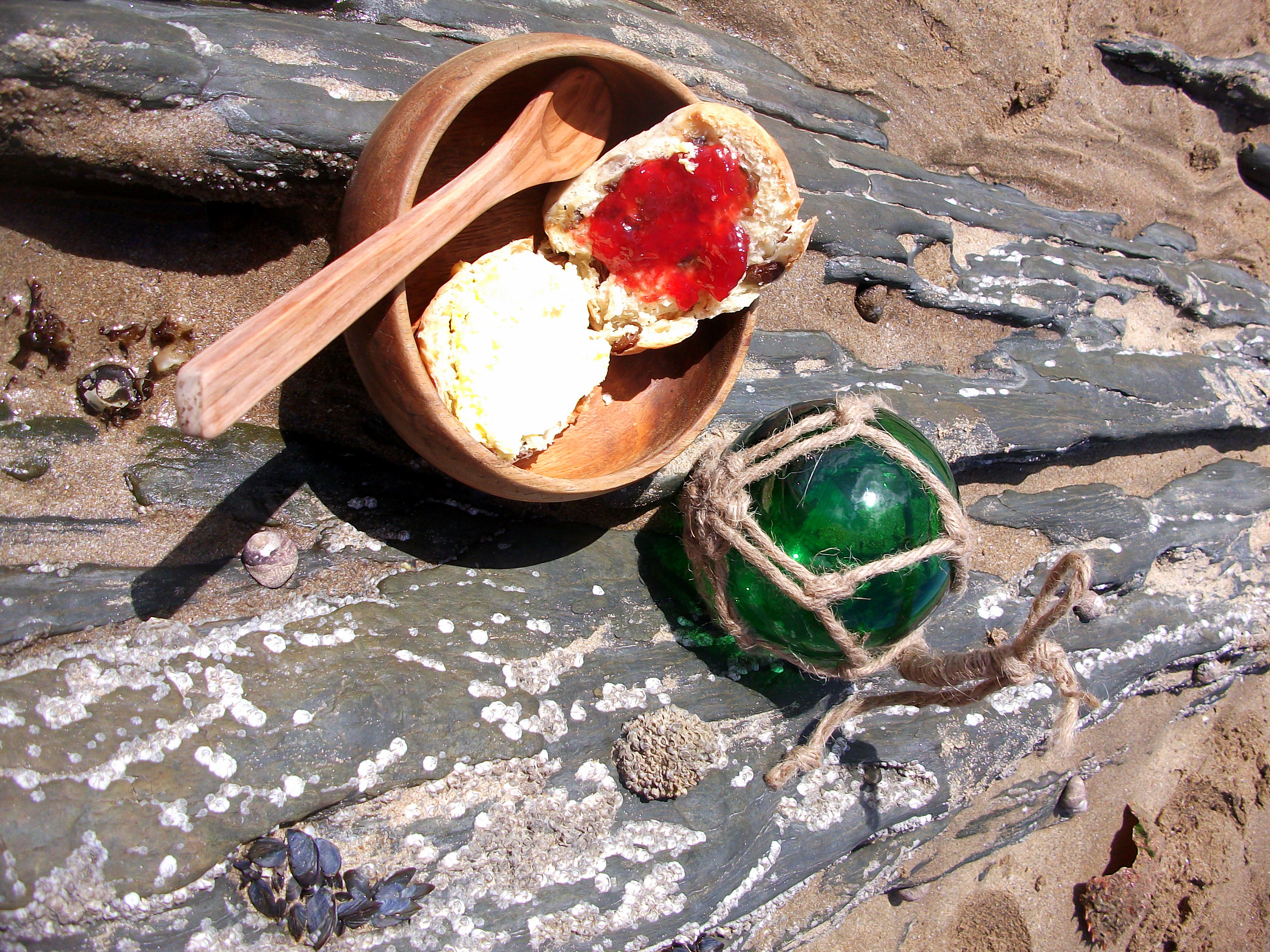
In Devon I was excited to buy copious amounts of clotted cream, which we had with yeast buns and jam.

beach picnic1

beach picnic2clotted creamOnce home, I was looking forward to using it in various ways.  However, I’m not sure how easy it is to find clotted cream outside the UK.  You could use extra thick double cream instead,  or shake double cream in jar for a couple of minutes until it thickens up, but it wouldn’t be exactly the same, so I thought I would put up a recipe for those of you who can’t get ahold of it.  Clotted cream is traditionally made by heating cream on very  low heat for a long time.  I looked around and found this recipe, which uses a slow cooker.  Ingenious!  I cut down on the amount of cream, because I already have two big tubs of clotted cream in the fridge!

beach picnic3
Slow Cooker Clotted Cream

Ingredients
3 cups heavy or double cream

Method
Pour the cream into the slow cooker and leave on low or warm for 8 – 10 hours.  It is a tricky business because you do not want the cream to go above 180 degrees F (82 degrees C).  My slow cooker tends to be quite hot, so I left it on warm.  Then, transfer the whole thing to the fridge (you don’t want to disturb the crust on top of the cream!) for at least 4 hours.  When it is chilled, scoop off the top layer, which should be thick, not runny.  I found that there was still some runny cream, but it tasted fine, so I scooped it all into a dish and then added the crust part of the cream back on top.


Done!
Done!

After a few more hours of chilling, the cream should all set up to proper thickness.

Enjoy in a traditional cream tea with scones and jam, or eat with a spoon (that’s what I did!).

cream&curd1
Lemon curd recipe to follow another day!


DSCF1786
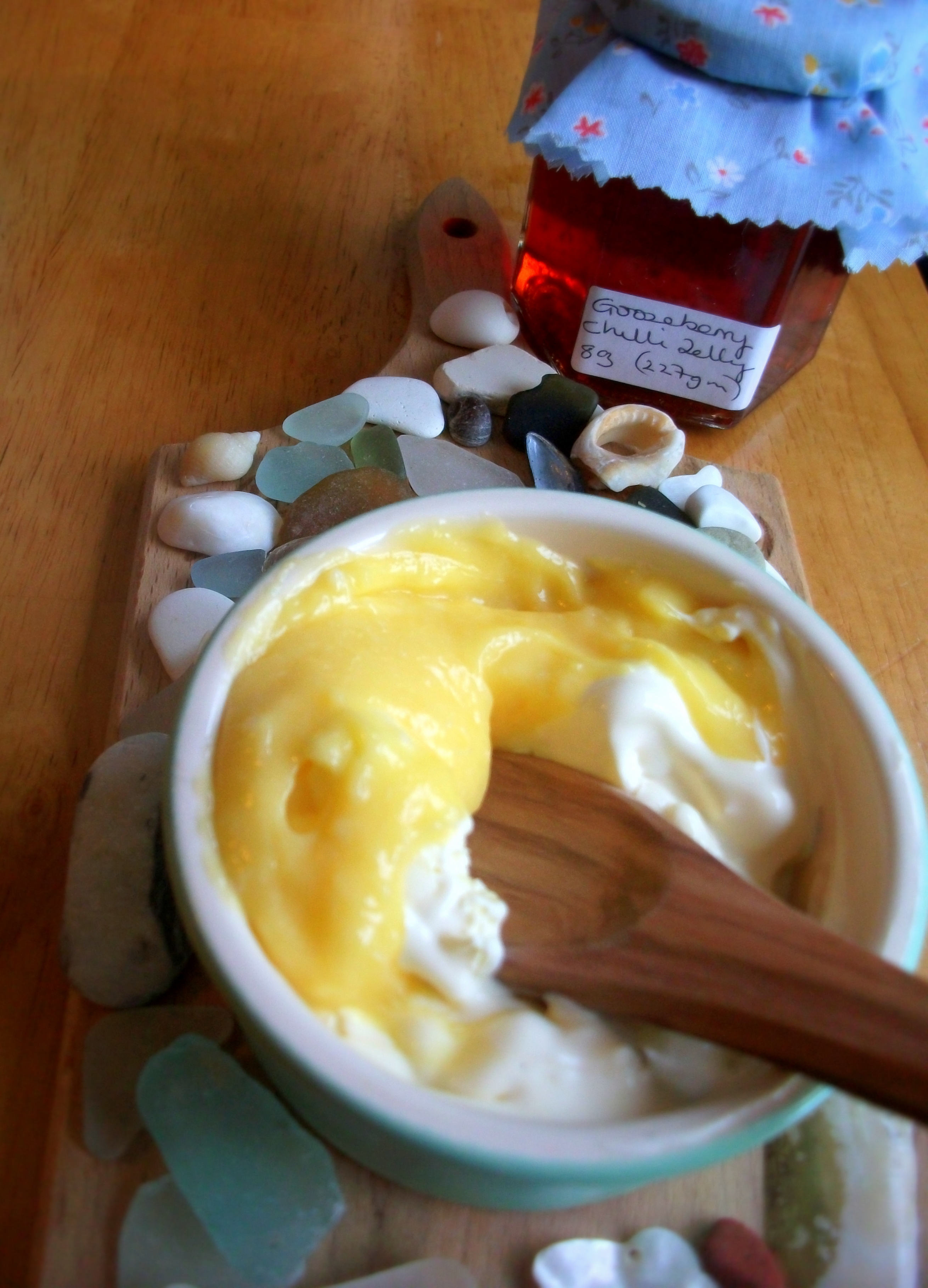
Jelly from Indicknowle farm in Devon

Even if you don’t have an orchard, if you have a bit of garden, sleeping out in the tent is a fun activity for kids and adults.  You could make a fire and cook some sausages, and have a “midnight march”.  And if you can’t get to the beach, you could always set up a paddling pool!

backyard pool beach5


In the Forest: Raspberry Buckle

Book:
In the Forest by Marie Hall Ets
1967, the Viking Press, New York.

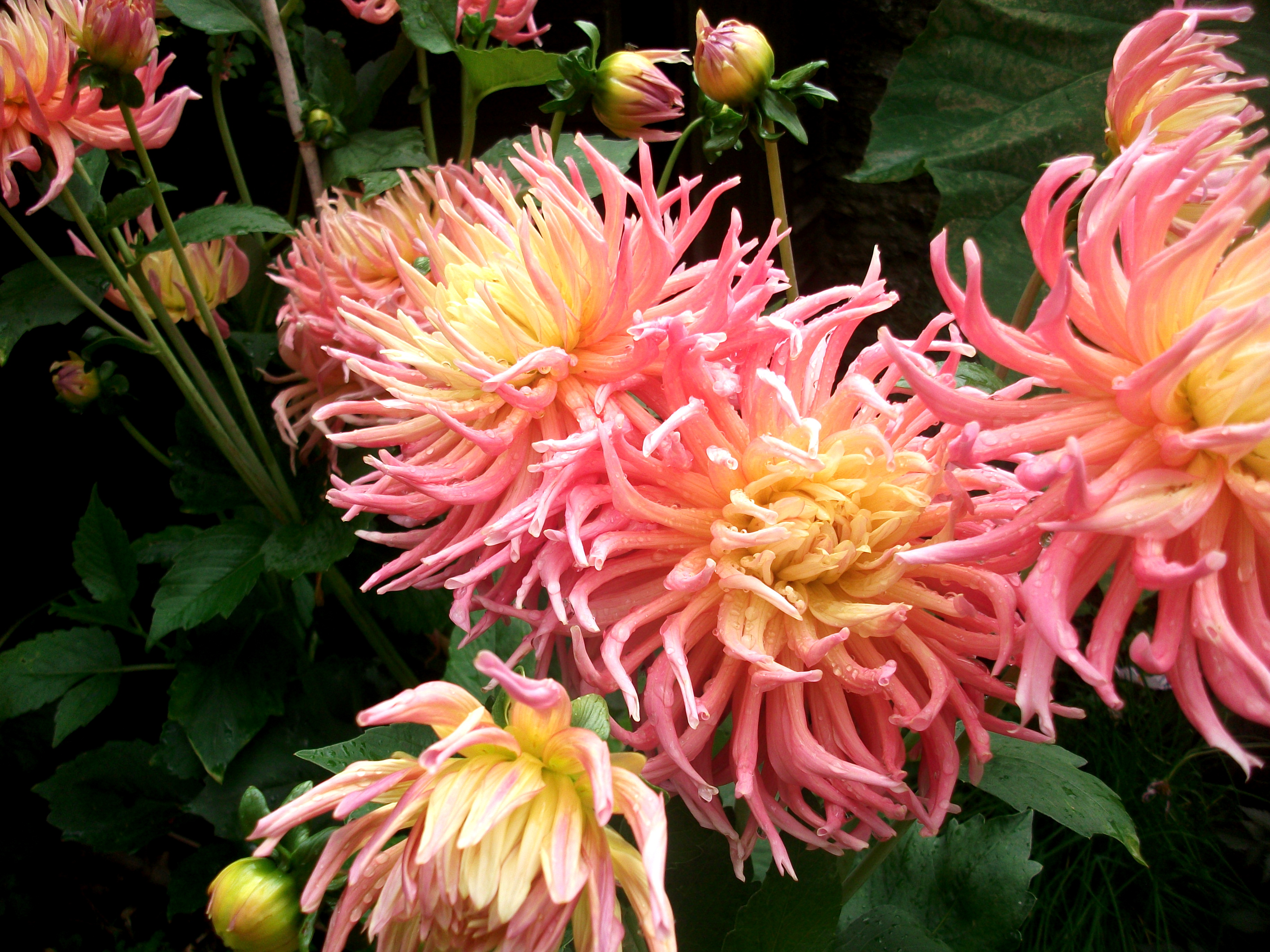
dahlia1
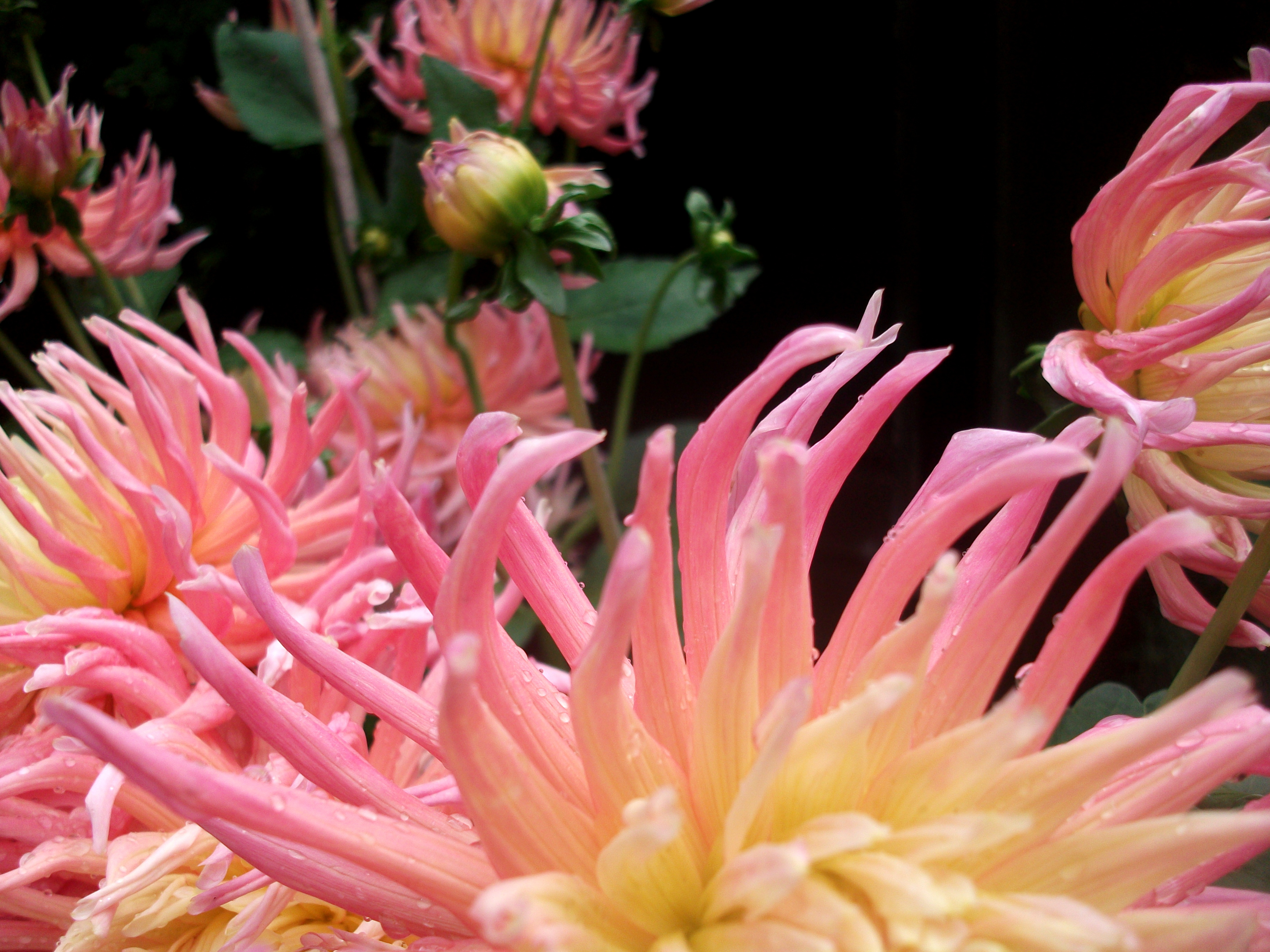
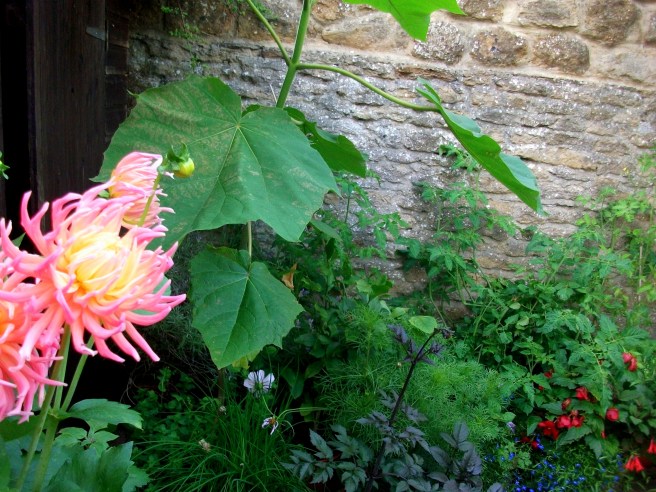
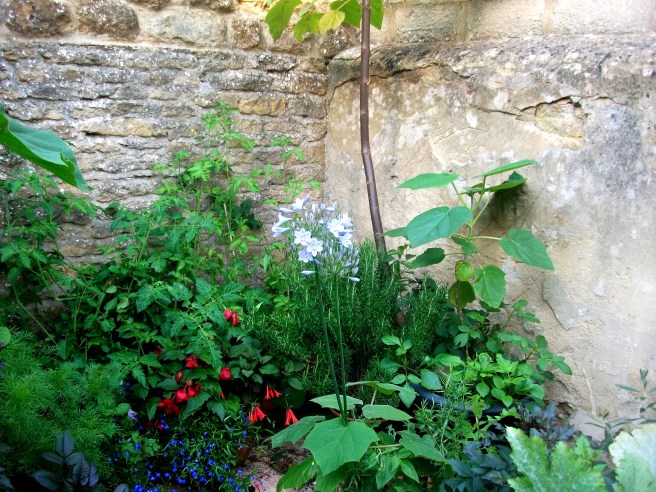
I haven’t had time to walk in the forest lately, but our garden is looking pretty jungly at the moment.  You can imagine there might be some lions or bears in here.


DSCF1374
In the Forest is a cute little vintage book which would be suitable for children of all ages.
intheforest
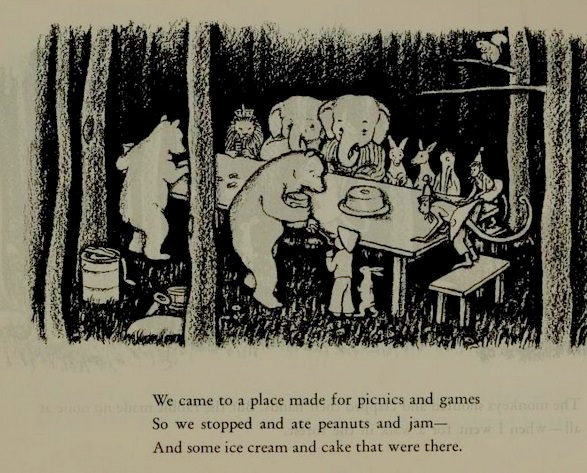
intheforest1 It tells the story of a child who goes for a walk in the forest, and along the way he encounters many animals, including kangaroos, a lion and some bears.  He isn’t afraid, however, and they don’t seem very fierce. They all decide to join him and parade through the forest.
intheforest2 They stop for a picnic of peanuts, jam, ice cream and cake, and then they play games (Drop-the-Handkerchief, London-Bridge-is-Falling-Down, Hide-and-Seek).  Eventually the boy’s father finds him and takes him home, but he knows he will come back and play with the animals again.
intheforest3
It is a very sweet little story with charmingly simple illustrations.  It could work very well for teaching English because there is a lot of repetition and text which is suitable for performing actions (the lion combing his hair, the parade, the games, etc.).

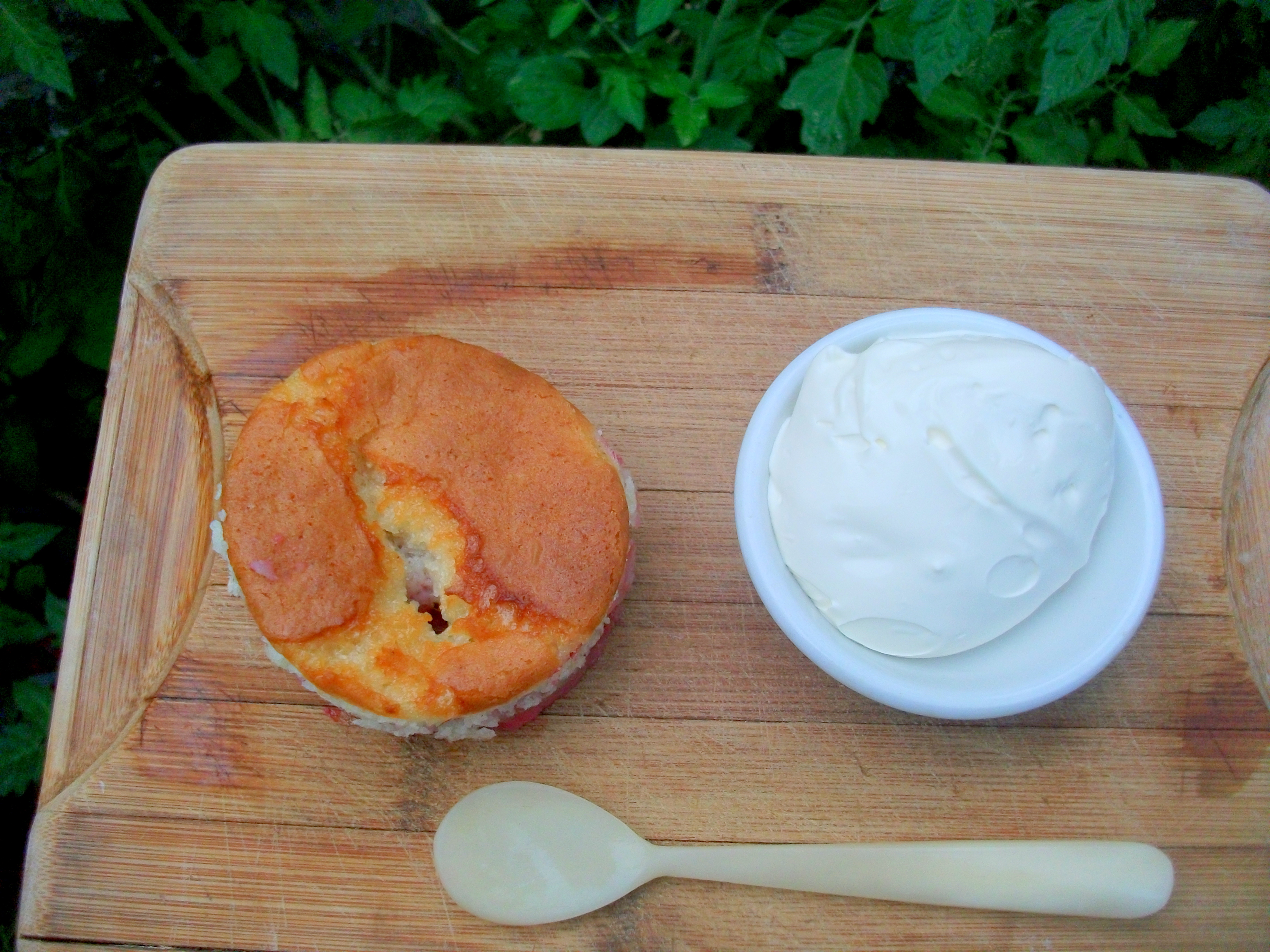
For a simple story I thought I would make a simple little cake.  The one in the picture appears to be some kind of bundt cake, but I thought one that took advantage of seasonal fruit might be nice.  A buckle is an old-fashioned cake/pudding which often has a streusel topping, but I just used a Victoria sponge mix.
buckle1
Raspberry Buckle

Ingredients
2 eggs
1/2 cup sugar
1/2 cup self-raising flour
1/2 cup butter
1 Tbsp honey
1 small punnet of raspberries
Ice cream or cream to serve.

Method
Preheat the oven to 350F/180C.  Line an 8 inch cake tin with greaseproof paper.  Combine all the ingredients (except the raspberries) with a wooden spoon or mixer until you have a soft batter.  Do not overmix.  Arrange half the raspberries on the bottom of the cake tin, and pour the batter over the top.  Then press the rest of the berries into the top of the batter, and drizzle a spoonful of honey over them.  Bake for 20 – 30 minutes until golden.  Turn out when cool. To make the cake more portable for picnics in the forest, you could punch out individual mini cakes with round cookie cutters and wrap them in wax paper and string.  They can be enjoyed hot or cold with ice cream, although I had mine with cream.
buckle2
Take on a walk in the forest and play hide and seek!

jams
Don’t forget the peanuts and jam for the bears!

Glad Midsommar: Strawberries and Cream

Book:
Nursery songs & rhymes of England illustrated by Winifred Smith
1895, D. Nutt

Sweetpea show at the PYO farm

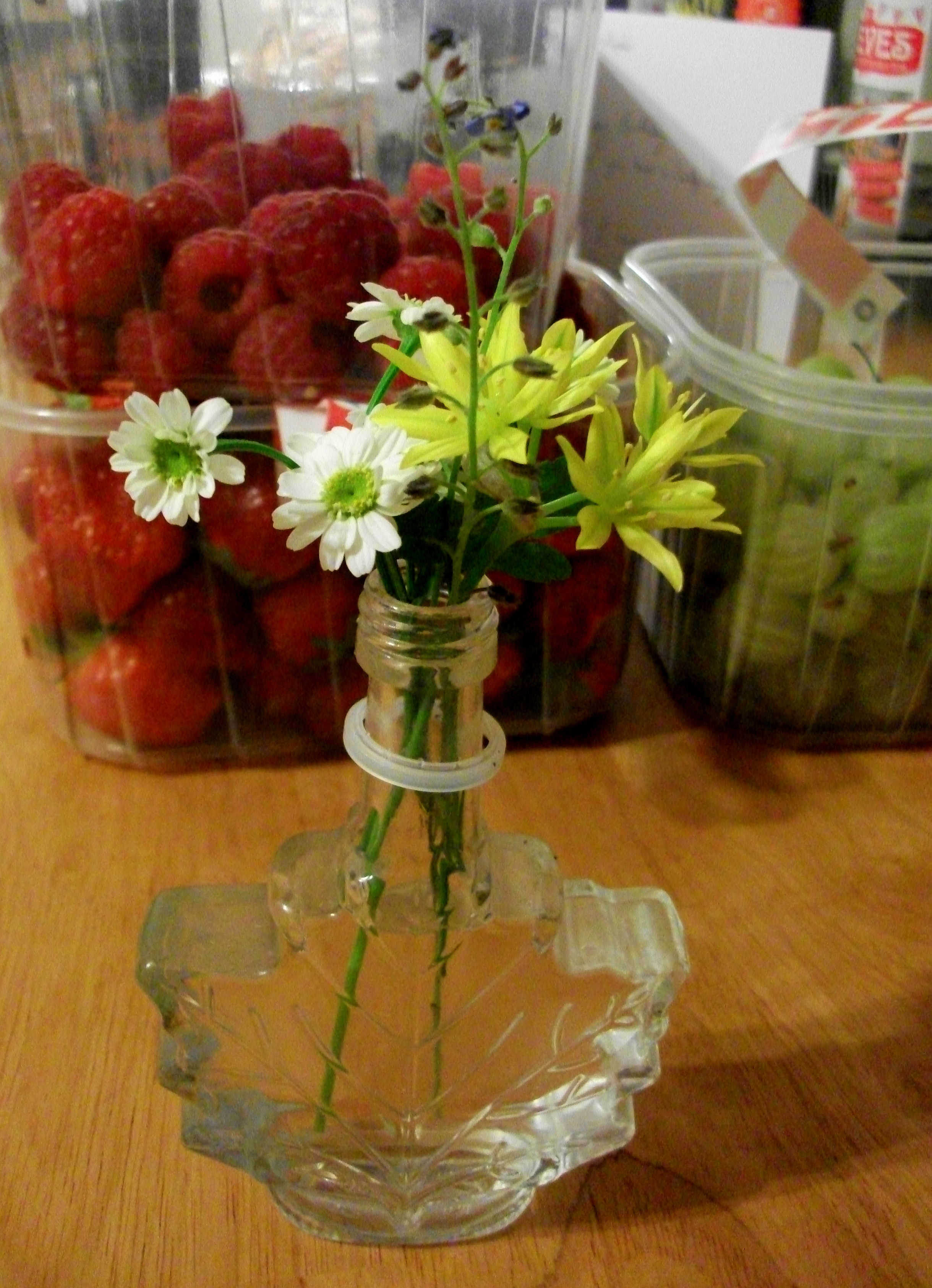
Glad Midsommar!  Last week was Midsummer, and it might have been a very festive one for you if you live in certain countries, particularly Scandinavian ones.  It is not so much a thing in my neck of the woods, and I have had a busy couple of weeks with lots of work, but I wanted to do something to honor the festival.  Last weekend we went to our local Pick Your Own farm, and brought home a punnet of gooseberries, a punnet of raspberries, and a punnet of strawberries.

berrypicking

At the PYO we bought lardy cake!
THE BEST
THE BEST

punnets1
A common food at Midsummer parties is strawberries, and I thought I would make something that would be satisfying without being too much work (or involve turning on the oven — we are having a heatwave here!).
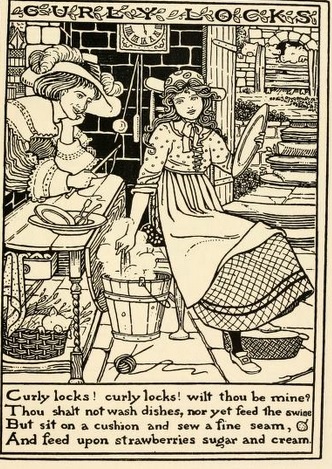
I was inspired by this nursery rhyme:

curly locksThis book

rhymes

contains most of the classic nursery rhymes, in all of their strangeness, alongside beautifully pristine black and white illustrations.  “Curly Locks” itself is fairly straightforward, although it’s not clear whether it is aspirational on the part of Curly Locks herself, or whether she is not buying her suitor’s line.  It might be a fun assignment to write her response to the proposal.  As it is, it is pretty convincing.  Of course, I can get curly locks with the help of rag curls, I already sit on cushions a lot and I definitely can’t sew a fine seam.  But strawberries, sugar and cream?  I’d sure like to try that.

flowers&punnetClearly, strawberries, sugar and cream are the ultimate in luxury.  Now, there are two ways to have strawberries and cream.  The best way is to come home with some strawberries freshly picked by yourself, immediately douse them in cream, and tuck in.  But you might want to be a little fancier, maybe for an occasion such as the 4th of July this weekend.
strawberries1
Strawberries, Sugar & Cream

Ingredients
1 cup of the nicest-looking strawberries, topped and halved
Sugar to taste (I used 1 tsp)
1 cup extra-thick (or whipped or clotted) cream
Fresh mint to garnish

Method
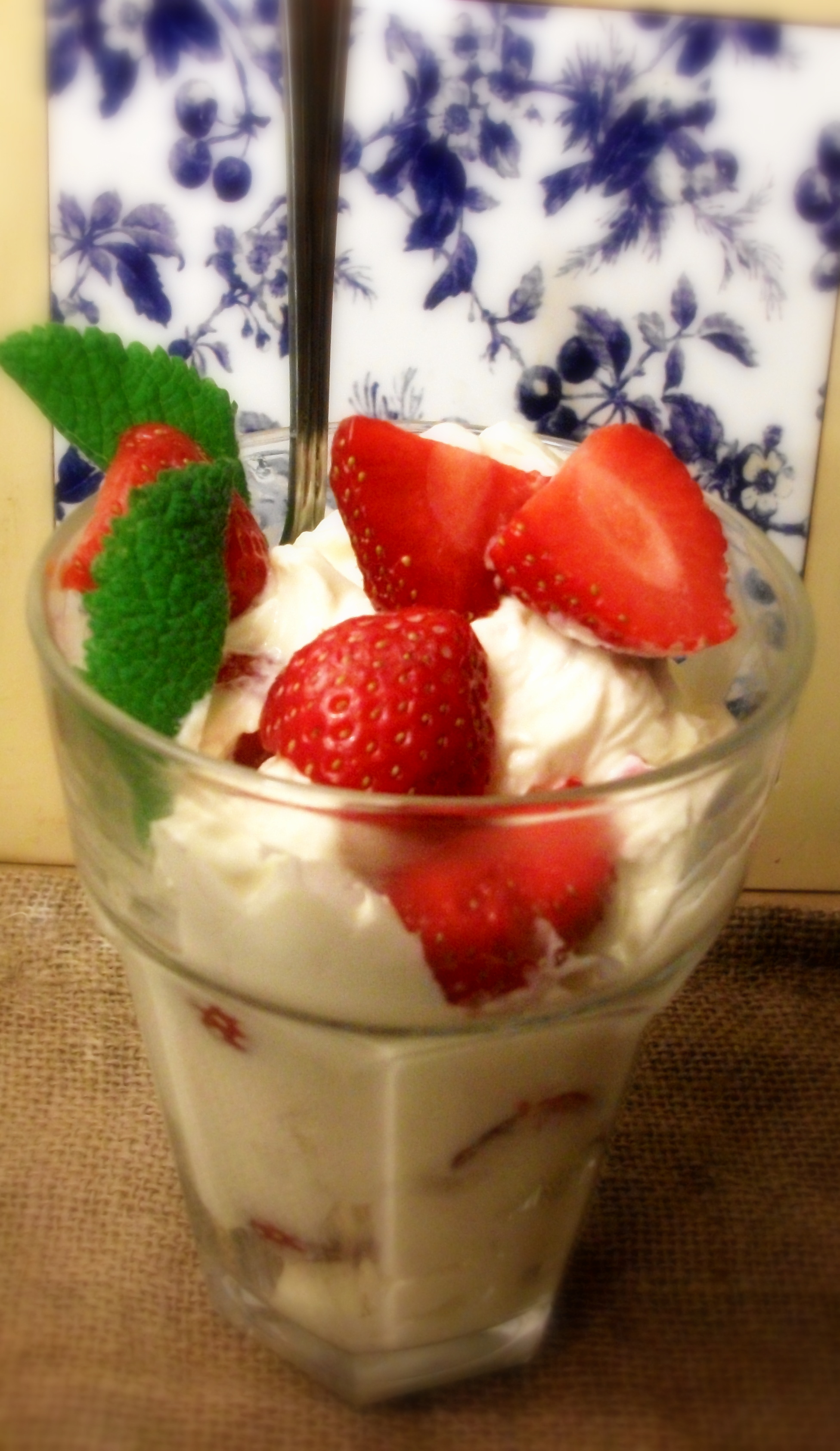
Place the strawberries in a bowl and sprinkle sugar to taste on the cut halves. While I like the strawberries tart, the sugar helps draw out the juice.  Leave for 5 minutes to let the sugar work and then cover the lot with cream.  This dish is best left to marinate, so put it in the fridge for 2 – 6 hours, stirring a couple of times to incorporate the juice.  Serve in a glass with mint leaves.

addingthecream
Eat in the garden and feel very luxurious since you are not currently washing dishes or feeding swine!
strawberiiesandcreamTo make further use of the strawberries, I also made some Pimm’s.  This is for grownups only!  Pimm’s is very popular in this part of England, and people do end up drinking a fair bit of it in the Summer, both the real stuff and knockoff versions.  There’s lots you can do with Pimm’s, but the usual is (fizzy English) lemonade with additions as various as strawberries, mint & cucumber, sometimes with apples, lemons and/or oranges as well.

pimms1
Pimm’s Cup

Ingredients
Pimm’s (no substitute for non-UK people, I’m afraid.  Apparently it is gin-based but it does not taste like gin to me.  You could try a dash of rum or brandy)
Fizzy lemonade or other lemony soda
Sliced strawberries
Fresh mint leaves, torn
Other garnishes as desired

Method
Pour the Pimm’s and add the lemonade, in a ratio of one part Pimm’s to 3 parts lemonade.  Add garnishes to taste.  Pimm’s is best made in a big pitcher and put in the fridge for half an hour or so, because it improves with time, the drink absorbing the flavours of the fruit and mint, and vice versa.
pimms2It’s almost too hot to sit outside…so I might need to jump in the sprinkler setting on the garden hose before I enjoy my strawberries two ways!

The Days are Just Packed: Lemon & Limeade

Books:
Lemonade sun: and other summer poems by Rebecca Kai Dotlich
1998, Wordsong/Boyds Mills Press
The Days Are Just Packed by Bill Watterson
1994, Warner Books

While sadly, the kids here in the UK are still in school, they still get to take advantage of the outdoors when they can.  I’m lucky enough to be involved in Girlguiding, so I try to provide that experience when I am able.  Last weekend I took some of the girls on a trip to do some Forest School/minibeast hunting things.  It was a bit damp (typical) but we still had a great time.

rain
Recommended activity: staring at raindrops

One of the highlights was the giant bubbles, made with a loop of rope strung between two sticks, dipped in water mixed with dish soap (washing up liquid).  Here is a rather blurry, rainy picture of one of the girls running after one.  As you can tell, giant bubbles are super exciting!

bubbleI don’t have giant bubble wands at home, but I actually think I might have a little tube of bubbles somewhere.  So step one is the sit in the garden and blow bubbles.  Next I am taking inspiration from another poem in Lemonade Sun.

summer greetings

As you can see there’s lots to do!  I do have a jump rope, actually.  I think everyone should if they are able to skip.  It’s great exercise, and actually fun.  But if I get tuckered out from skipping rope, I think I will sit in the garden with a glass of lemon & limeade, “reading books outside at last.”

1

Mini Recipe: Lemon & Limeade

Method
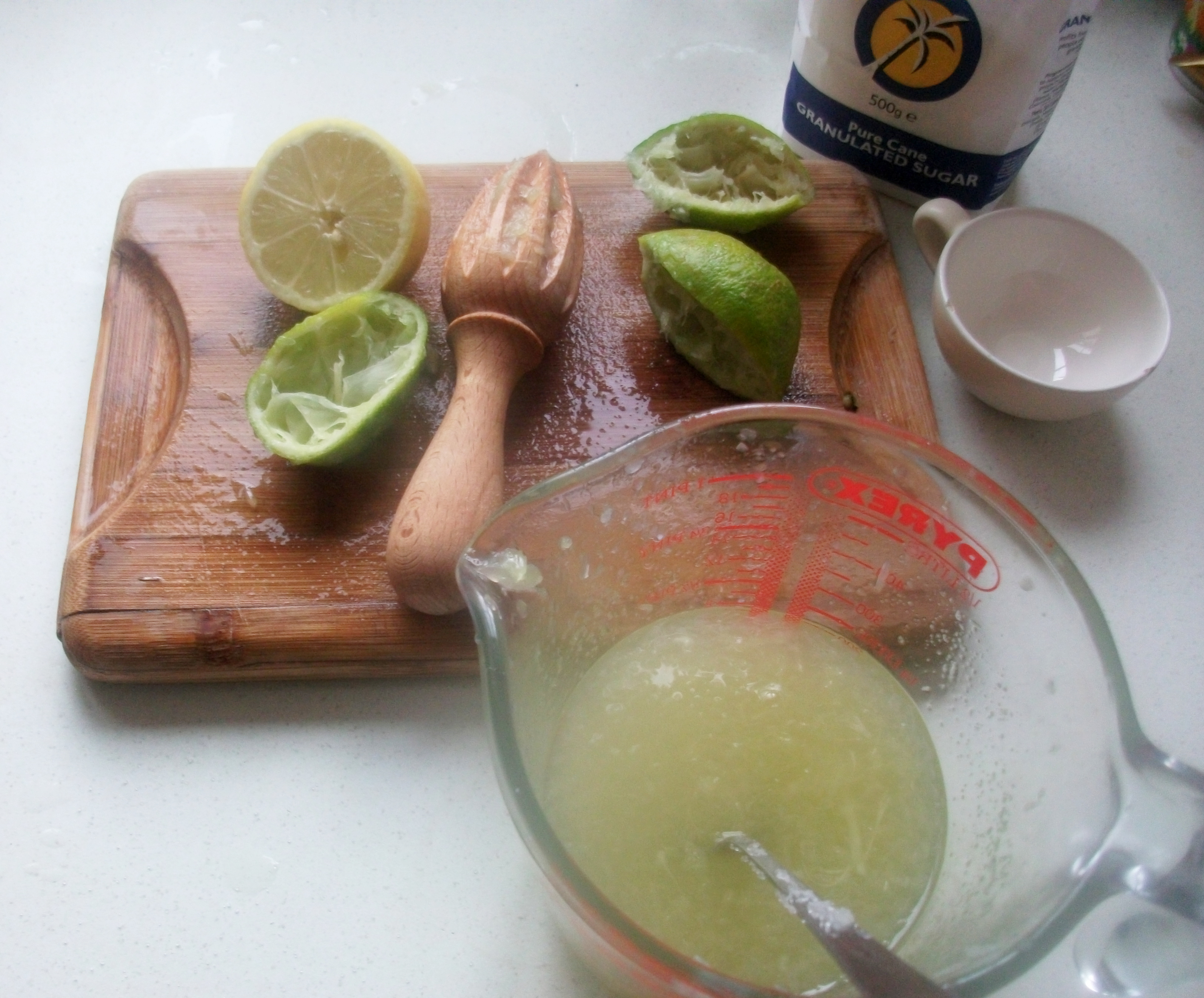
Follow the recipe for Old-Fashioned Lemonade, but substitute two limes for one of the lemons.  That’s all!

2Enjoy outside with a good book!
I would recommend The Days Are Just Packed.  Not only are Calvin and Hobbes suitable for kids of all ages, they are even more suitable, I would argue, for adults, because they will be attuned to some of the more poignant, philosophical and mature material which runs under the surface of many of the comic strips.  It also is a great way to remind oneself of the vivid imagination and endless energy of a childhood Summer.

DSCF1045

3Activities: blow bubbles, jump rope, read books…maybe climb a tree.  Do I have time for all that with job interviews, paperwork, volunteering, cooking and cleaning?  Probably not.  But I will fit in one or two, and make them really worthwhile.

DSCF1041


Homer Price: Milk and Cookies

Book: Homer Price by Robert McCloskey.
1943, Scholastic, Inc.

rose

Well, just when I was enjoying the Summer (big, florid pink and yellow roses, sun on my skin, red maple leaves, Bakewell tarts, thinking about doing an ice cream post), English Summer strikes again.  Hard to feel Summery when it is 50 degrees Fahrenheit and you need to wear a coat!  But I am keeping up my optimism.

Homer Price is a great reread for Summer.  I have a charming copy from 1943 with yellowed pages which smell strongly of Old Book.

cover

It’s a collection of stories about Homer Price, a little boy in a small town who has various adventures.  I thought I would start with the first, The Case of the Sensational Scent.  This is a cute story about Homer adopting a skunk which he names Aroma, who then goes on to help him capture a band of robbers.

homer

Homer is a resourceful and cool-headed boy, who helps his parents, builds radios, and who gets up before it is light to go fishing alone (well, with his pet skunk as well). It might be more suitable for age seven and up, because there should probably be some conversations to accompany it about not adopting wild animals, not touching guns and not confronting robbers on your own!  But most children are well able to distinguish fiction from reality, and it is a very cute story, with some quite funny touches, particularly with the educated robber who refers to Aroma as a “Musteline Mammal”.

The food in Homer Price, like everything else, is wholesome and simple.  Homer’s mother makes fried chicken and hamburgers for the tourists.  But Homer himself can most often be seen eating cookies and milk, which he usually gets for himself at bedtime.

glass

We don’t have cookies very often in our house, but when we do, they are usually these.  When I was a kid, my mother’s go-to cookie was oatmeal raisin — but not like those sugary slabs you’d buy in the stores.  They were a kitchen-sink cookie, crammed full of thick rolled oats, raisins, seeds, anything else that happened to be in the house.  Low sugar, real hippie stuff.  And so one day I went looking for a similar cookie, but even healthier.  I found this: Grain Free Oatmeal Raisin Cookies.  I’ve made them many times since then, and the recipe is delicious and amazing, but I keep up the attitude of the kitchen-sink cookie, so I never follow the recipe exactly.  Sometimes I’ll use apple, sometimes cooked sweet potato.  I’ll add any number of dried fruits, nuts and seeds.  I’ve even made them into jam thumbprints.  This time I was feeling really lazy, so I used a nut butter instead of the apple (I also doubled the recipe, since my husband loves these cookies and was bound to gobble them up).  So here is the variation I made this time:

“Oatmeal” Raisin Cookies

Ingredients
2 cups nut butter of choice
3 medium eggs
4 tablespoons honey
2 tsp vanilla
1 cup raisins (I added some mixed peel and chopped dates this time as well)
2 cups dessicated coconut
1 cup almond flour
2 tsp cinnamon
1/2 tsp sea salt
1 tsp baking soda

Method
Mix all the ingredients together haphazardly because you are lazy and don’t mix dry and wet ingredients separately despite what your mama taught you! The mixture should be firm enough to drop in spoonfuls and not spread much. If it needs firming up, add more almond flour. Place tablespoons of the batter onto a cookie sheet, flattening out slightly. Bake at 325 degrees F (162 C) for 15 to 25 minutes until they are golden brown on top. Baking times may vary; I made mine quite big this time so they took half and hour.

1

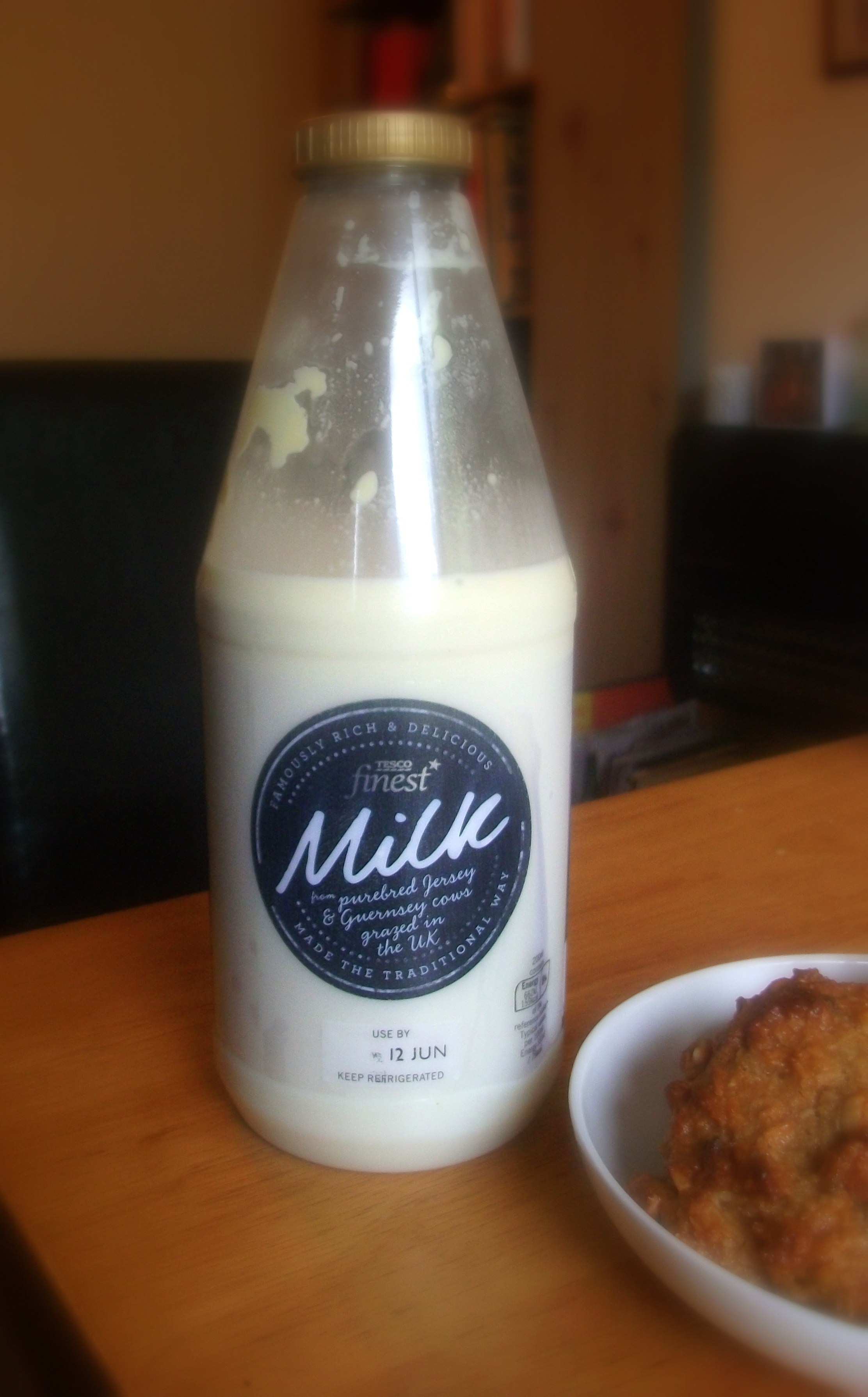
Of course, as Homer knows, a cookie is best enjoyed with a big glass of milk.  I don’t often have milk, but when I do, I do it right.  This is the stuff I buy:

bottle

All that stuff on the side of the bottle is cream, because it’s whole and unhomogenized.  So good.  And because we are appreciating really good milk, here is a mini recipe.  In Winter warm vanilla milk is comforting, in Summer iced vanilla milk is refreshing:

Iced Vanilla Milk

Ingredients
2 cups good whole milk, preferable unhomogenized
1/2 tsp vanilla (to taste)

Method
Chill the milk in the fridge (You might have to put it in the freezer for 10 minutes if you’re fridge isn’t very cold).  Whisk or shake in the vanilla.

calvinEnjoy with cookies and a comic book!

DSCF0990

Starting Simply: Lemonade for Summer

Books: A child’s calendar by John Updike. 1999, Holiday House. Lemonade sun: and other summer poems by Rebecca Kai Dotlich. 1998, Wordsong/Boyds Mills Press.

Summer is here!  The sun is out, the leaves are green, and today seems as good a day as any to begin.

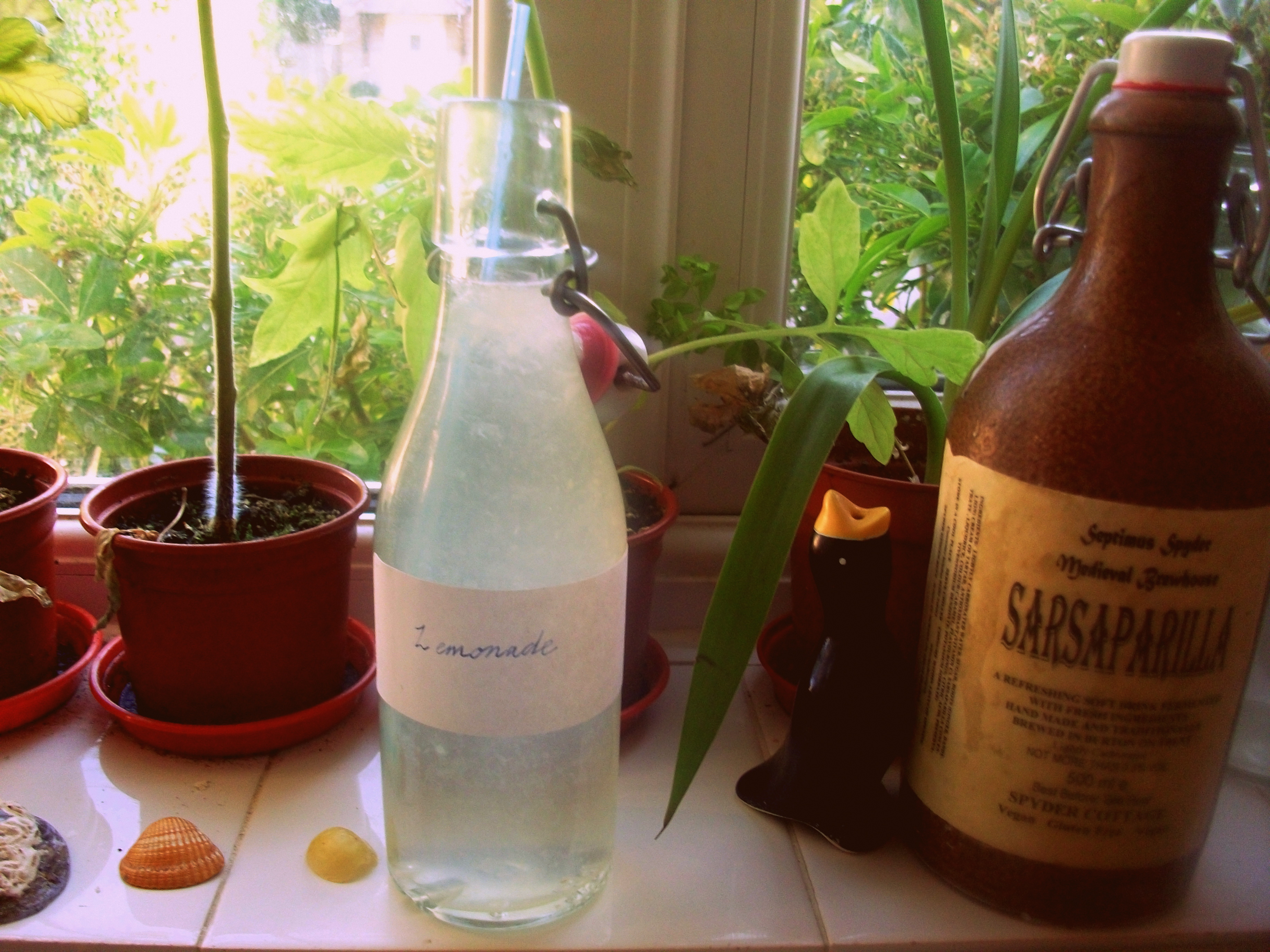
buttercups Personally, I never was a huge fan of Summer overall.  Where I grew up in the US, it was hot, sticky, muggy and buggy.  Gross.  But living now in the UK, where we are lucky if we get a couple weeks of heat, I do miss those sticky, humid days.  So when today was a lovely sunny day, I decided to embrace it, and make the Summeriest thing I could think of: lemonade. 2And to go with the lemonade, a selection of poetry for children about Summertime. lemonade title I had not read Lemonade Sun by Rebecca Kai Dotlich before, but it is a charming collection which really harkens back to a simpler time, when Summer meant running around outside all day.  That is certainly what I did as a kid. lemonade sun The poems are very simple and suitable for young children, and could be used to introduce poetry and use of rhyme, rhythm and descriptive and action words.  I like the simplicity and brevity of the poem “Lemonade Sun”.  It reminds me of eating popsicles/fudgesicles on a boiling day.  I liked the natural popsicles with pips, and also creamsicles and push pops.  They don’t really have those here, so perhaps that is a recipe for another day.  “A Circle of Sun” is my favorite; it really captures the vibrant, alive feeling one has as a child, the boundless energy.  I used to run down the streets at breakneck speed, never minding a skinned knee or two.  That gets lost as an adult, when you don’t have that long, luscious Summer ahead of you, and you’re always tired and feel creaky even in your 20’s, if you’re me anyway. But Summer days are still long, and anybody should get out in the Sun a little bit!  The Sun is good for you!  I’m sure most of us in Northern climes are probably at least a bit deficient in vitamin D.  So, plan for tomorrow: get out in the Sun and run down the street at breakneck speed (or as fast as you can manage).  Eat a popsicle, messily.  Be “a piece of the sky in a circle of sun”. downland The second book of poems is A Child’s Calendar by John Updike, illustrated by one of my favorite illustrators, Trina Schart Hyman. title Today I looked at “June”. june This poem addresses those “long green weeks” which never end, a wonderful feeling to see them stretching before you.  Of course, it is different for the poor kids here in the UK, who have to go to school until well into July.  Sickening, I know.  But this poem captures everything that Summer could be and should be.  Little League, hopscotch, the creek.  I had a creek when I was little, and it was a big deal.  I hunted caddis fly larvae and water skippers and tadpoles.  One of the nicest feelings is the feeling of cool, smooth river pebbles under bare feet. Overall it is a lovely poem, with a fun simile at the end. bleeding hearts I don’t have a creek now, but I can make the most of a beautiful day by making old-fashioned lemonade.  Here in the UK most beverages called “lemonade” are in fact a citrusy, carbonated beverage that to me, does not qualify.  You can get “cloudy lemonade” in small amounts, but I wanted more than that.  I browsed the internet for recipes, but had to improvise a bit based on the number of lemons I had. 1 Old-Fashioned Lemonade Ingredients: 5 cups water 1 cup freshly-squeezed lemon juice (I used 2 ½ lemons) 3/4 cup sugar Method: Juice the lemons (I used a wooden hand juicer), and mix in the sugar.  Mix and mix.  Eventually it will dissolve.  Add the water.  The proportion of water/lemon juice/sugar is something that will vary according to taste, so add ingredients until it tastes right to you.  Chill.  This recipe made enough for me to fill a large pickle jar and a small glass bottle. I can’t remember the last time I had home-made lemonade, and oh boy, is it good.  It tastes so amazingly fresh, vibrant and alive.  It’s the nectar of Summer, best enjoyed through a cute straw in a frosty glass bottle. 3 Enjoy in the Sun!